
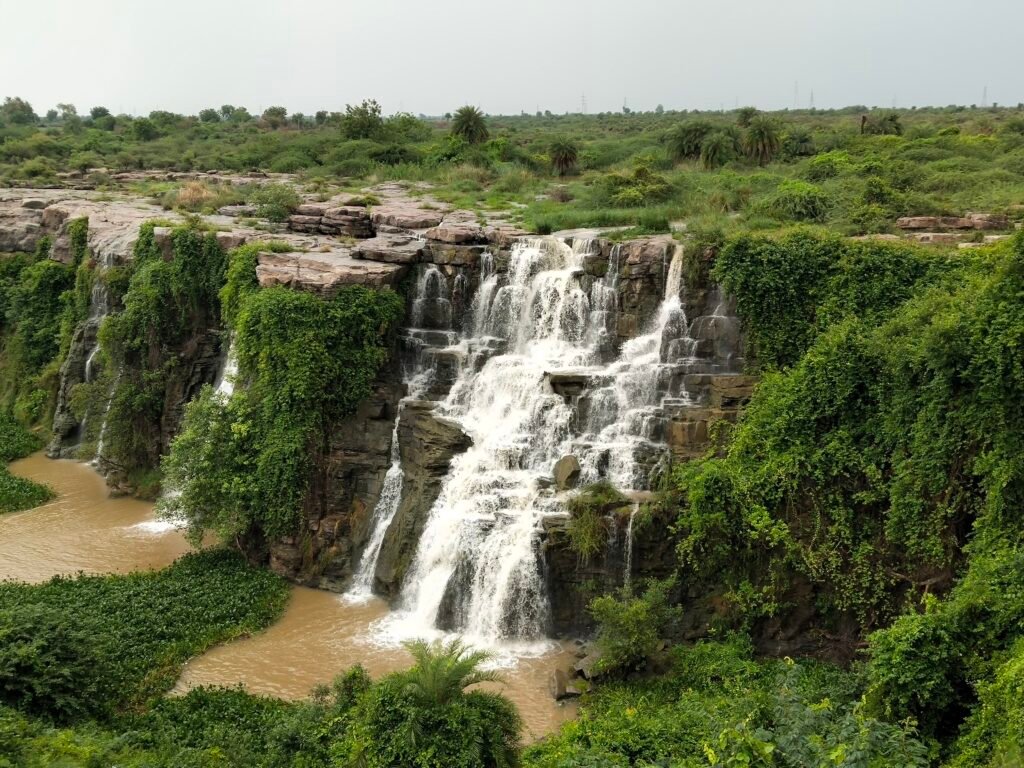
Wildlife conservation and climate mitigation are deeply interconnected. Protecting wildlife helps maintain healthy ecosystems, which are crucial for carbon sequestration. Forests, wetlands, and other habitats act as carbon sinks, absorbing CO2 from the atmosphere. For example, tigers and elephants play key roles in maintaining forest health, which in turn supports carbon storage. Additionally, conserving biodiversity ensures ecosystem resilience, aiding in climate adaptation. By safeguarding wildlife, we not only preserve biodiversity but also enhance natural processes that mitigate climate change. This dual benefit underscores the importance of integrated conservation and climate strategies.